

Sardinian wine is one of the Mediterranean’s best-kept wine stories, with bright whites, juicy reds, and wonderfully unusual traditional styles. From salty, citrusy Vermentino to bold Cannonau and rare grapes like Torbato, Sardinia packs plenty of personality into its wines.
Ready to taste your way around the island? Here are the key Sardinian wines and grapes to know.


All Hail Vermentino
Start your journey in the northeast corner of the island around the towns of Santa Teresa and Olbia. The granite soils of this region give birth each year to Vermentino di Gallura, a wonderful pale straw-colored white Sardinian wine that’s typically unoaked with bright, refreshing acidity and hints of green apple, citrus fruit, and ripe pear. Vermentino di Gallura is the only DOCG wine of Sardinia — Italy’s highest denomination level.
Vermentino benefits from the sea’s reflected light, while Gallura’s strong winds and significant day-to-night temperature swings help preserve freshness and aromatic intensity. The windy climate and temperature differences through the night maximize the wine’s acidity and flavor compounds.
Vermentino is typically a still wine, but sparkling versions are not uncommon and pair well with local seafood dishes and regional specialties such as seafood pasta and pane carasau (a wafer-thin flatbread).
Continue west to Alghero, a sea town in the northwest rich in Spanish heritage. It is also home to Sella & Mosca, one of Sardinia’s largest historic wineries, which was named Gambero Rosso’s Cantina dell’Anno in the 2013 Vini d’Italia guide, with around 520 hectares (1,285 acres) of vineyards between the sea and hills. The soil is calcium carbonate-rich limestone (a soil type common to some of the best wine regions in the world), and together with a sunny and windy climate, they make for ideal viticulture conditions.
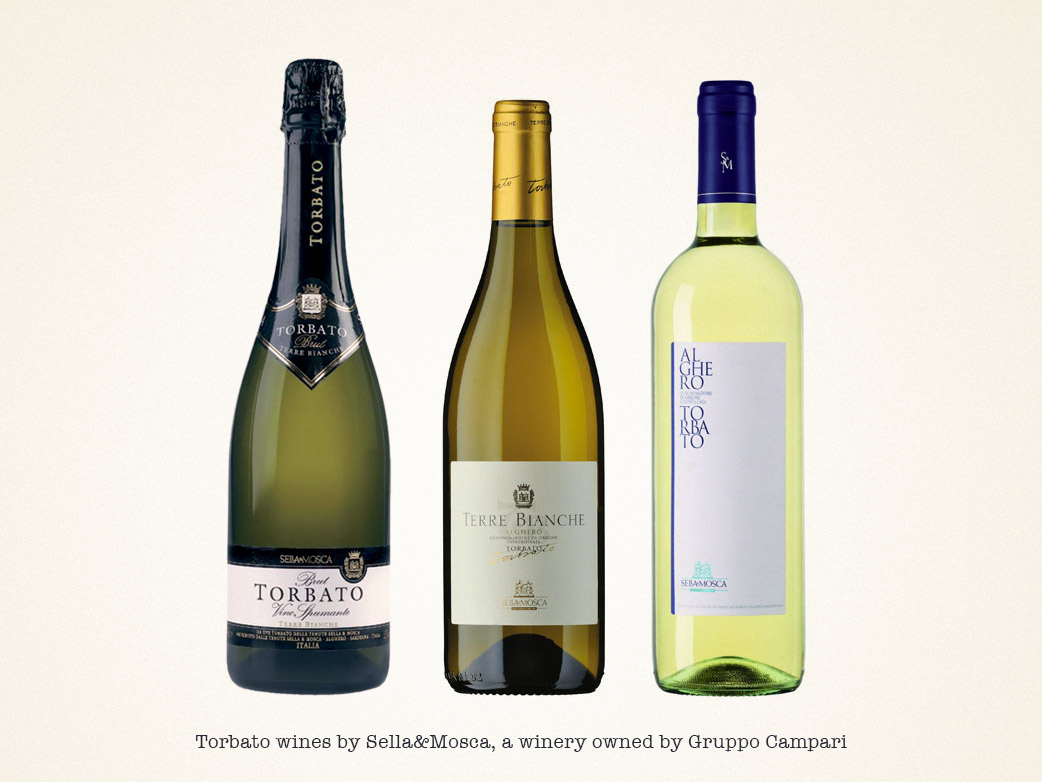
Sardinian Wine Rarity: Torbato
One of the hidden gems in Alghero is Torbato, a rare white grape associated with the Iberian Peninsula and now grown primarily around Alghero in northwestern Sardinia, where its plantings remain limited. Torbato produces refreshing, pale straw wine marked by white flowers and hints of sea minerals.
The sparkling version makes a refreshing aperitif, while still versions range from lighter-bodied styles to richer, creamier examples. All are definitely worth trying with light fish appetizers, oysters, and clam spaghetti.
Cagnulari (a.k.a. Graciano)
On the red side of the spectrum is Cagnulari, the Sardinian name for a grape genetically identical to Spain’s Graciano. Graciano is an important traditional variety in Rioja, where it is used in both single-variety wines and blends. It features a brilliant rust-red color, intense dark berry aromas, and decisive, meaty flavors.

Malvasia
South of Alghero lies Bosa, which is prominently featured in the cult movie Mondovino thanks to its distinctive Malvasia di Bosa. The grape grows widely all around the Mediterranean and has many versions and vinification methods.
In Bosa, you can find a traditional sweet version of Malvasia, rich with honeysuckle and chamomile aromas and an intense almond taste with good balancing acidity.
There is also a truly outstanding, dry to off-dry version produced by leaving the casks 85% full so that a layer of yeast called flor (Spanish for flower – the same term used for the yeast layer in in Sherry production). The flor limits direct oxidation while contributing distinctive flavors and aromas, including dried fruit and almond.
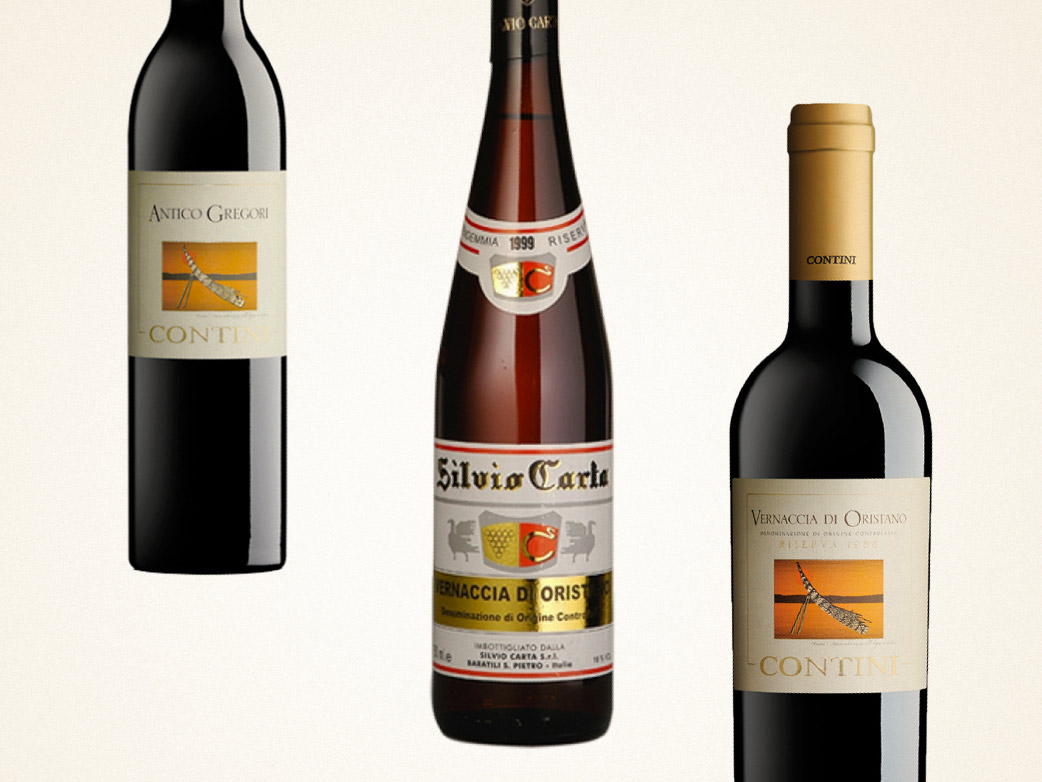
Vernaccia
Sardinia’s west coast offers some of the island’s most distinctive wines, especially around Oristano. Vernaccia, as the legend has it, was introduced almost 3,000 years ago by the Phoenicians. Vernaccia di Oristano is a distinctive oxidative white wine, traditionally aged in casks for several years in a style that shares similarities with Sherry. Look for Vernaccia di Oristano and Vernaccia di Oristano Riserva.
Semidano
Semidano is an elegant white Sardinian wine with hints of white flowers and hay, perfect with local medium-aged pecorino (a sheep’s milk cheese).
Carignano (a.k.a. Carignan)
Continuing south, we reach the warm, sandy Sulcis region where Carignano (a.k.a. Spanish Cariñena/Mazuelo and French Carignan) is the signature red grape, with roughly 1,700 hectares (4,200 acres) planted, much of it concentrated in Sulcis. It’s an aristocratic red wine with an intense garnet color and sweet spiced aromas of cinnamon and clove. The body is full, yet not overwhelming, with notes of licorice, plum, and marasca cherry. The tannins of Sardinian Carignano are gentle and make for a perfect match with wild game and aged cheeses.
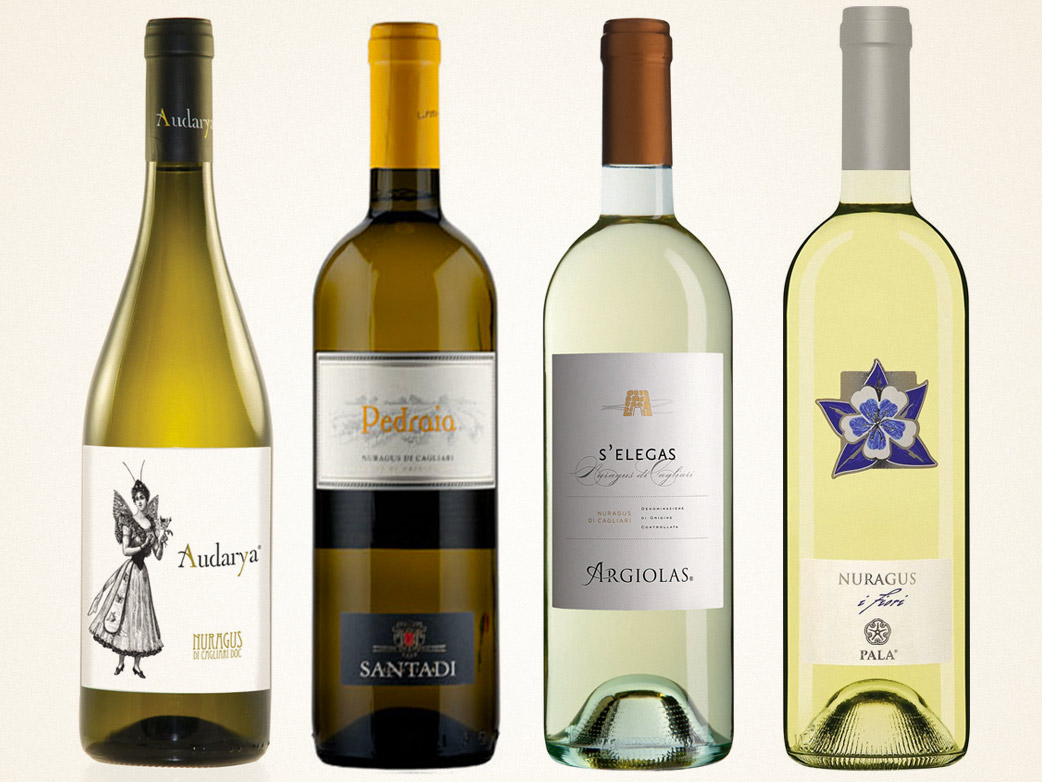
Other White Wines
Farther east lies Cagliari, Sardinia’s capital, an important port, and home to various characterful white wines. Take Nasco, for example. It has grown since Roman times and owes its name to the unique moss aroma that appears in medium-aged wines. It’s thick yet elegant, with intense honey and overripe fruit flavors and is a must-try with local almond pastries.
Or Moscato (also grown in the north in a bubbly version): the amber reflections in the glass reveal aromas of apricots and rosewood, followed by a mouthful of raisins and figs.
On the dry side of the spectrum, Nuragus is one of the most planted white varieties on the island and cherished by those who like wines with light citrus fruit, green apple, and a refreshing zesty taste.
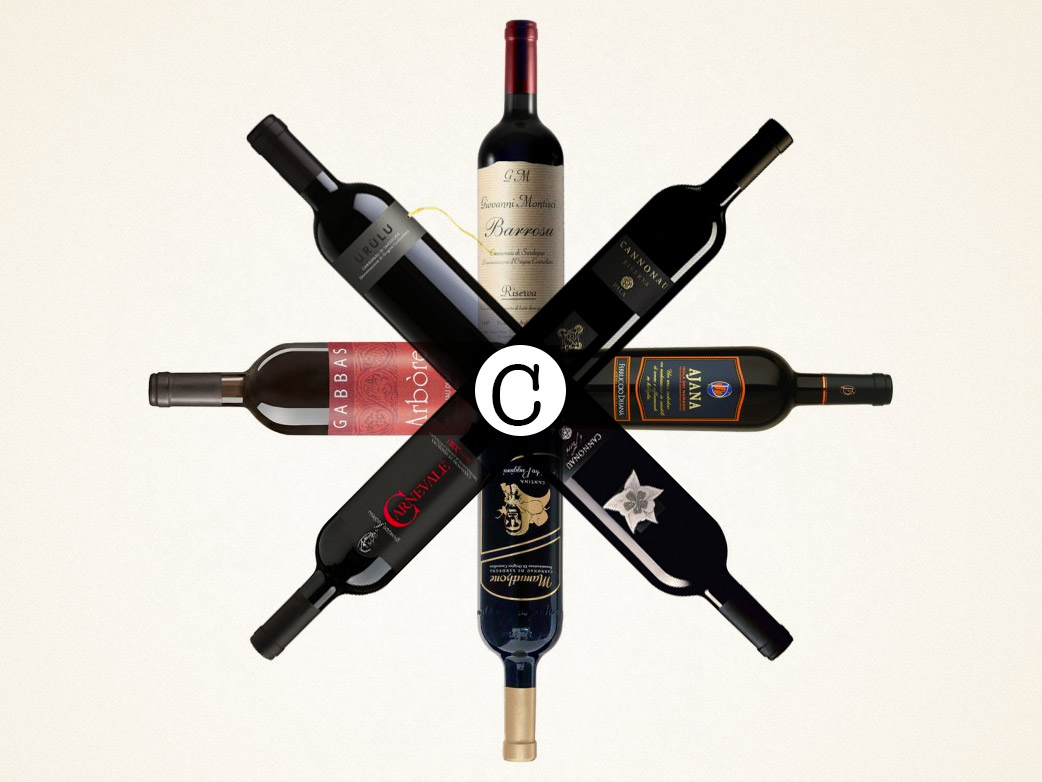
Lastly, The #1 Wine of Sardinia: Cannonau
Of course, no overview of Sardinia would be complete without mentioning Cannonau (a.k.a. French Grenache, Spanish Garnacha), the most widely planted grape variety on the island, accounting for about 30% of Sardinia’s vineyard area. It gives its best on warm, gravelly soils that limit its natural productivity.
The wines are generally full-bodied, with relatively high alcohol and moderate acidity. The palate can show dark red fruit, plum, chocolate, and coffee, particularly in oak-aged examples. Cannonau is also used in regional blends such as Mandrolisai, alongside varieties including Monica and Bovale Sardo.