

Spring wines are all about flexibility. This morning it was two-sweater weather, and now the sun is shining like patio season just arrived overnight.
When the weather shifts this quickly, your wine lineup should too. The solution? A mixed case built for spring’s unpredictable mood.
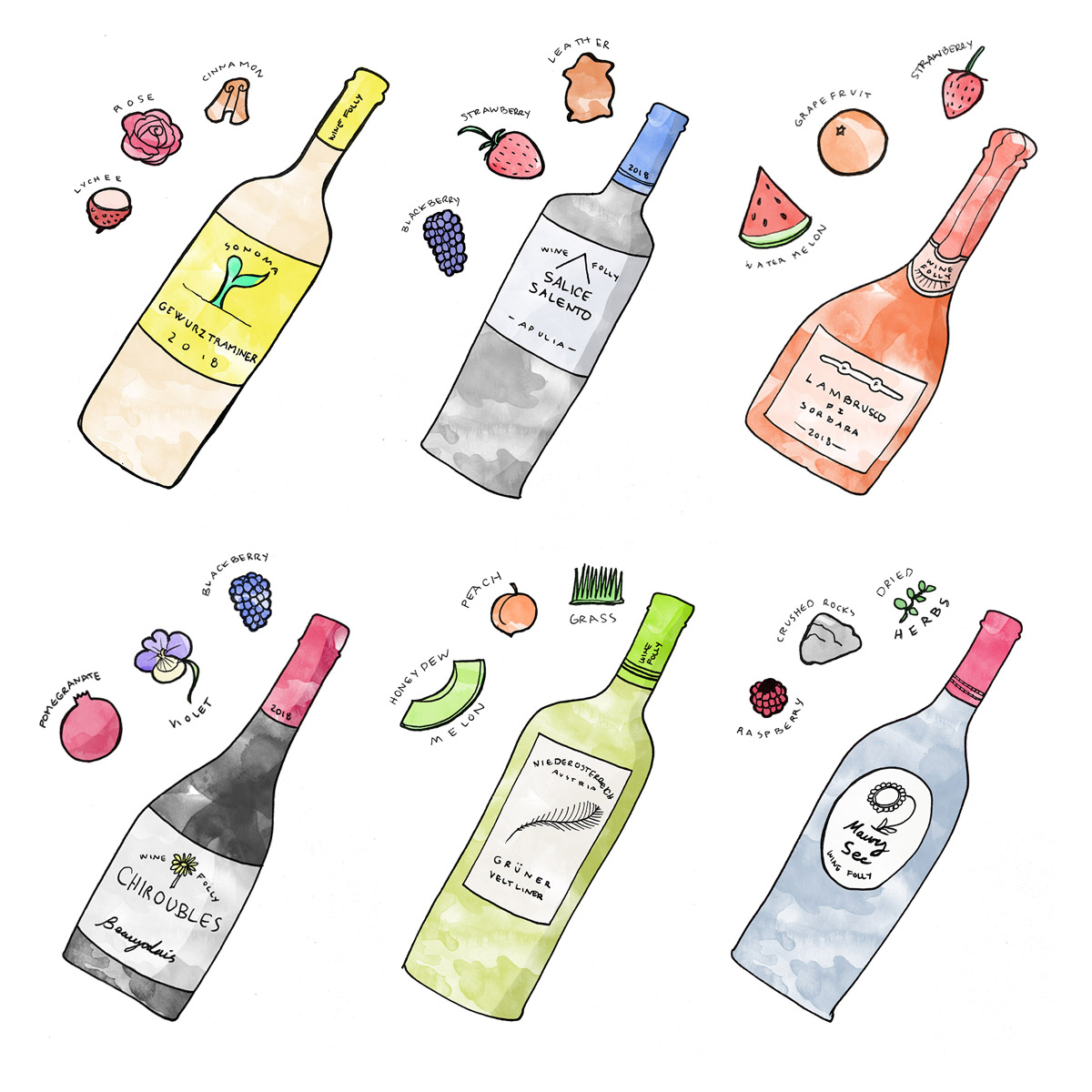
Making a Case of Spring Wines
Our mixed case is very much inspired by the weather. It’s totally unpredictable… One moment it’s “rosé all day” and the next, “where’s my big ol’ bear-hug of a red?” We also wanted to pick things that you could get for under $20 (preferably even less).
Here are 12 wines that thrive in spring’s unpredictable mood.
The Shortlist
- Grüner Veltliner – Austria’s peppery, herb-driven white
- Portuguese Branco – citrusy blends from indigenous grapes
- Lambrusco di Sorbara – the lightest red of the Lambrusco family
- PNW Rosé – a group of zesty, fruit-forward rosé wines from the Pacific Northwest
- Gewürztraminer – a rosy, aromatic white that’s best consumed fresh
- Gamay – a light-bodied red that smells like flowers and berries
- Cool-Climate Pinot Noir – the classic springy red wine choice – elegant
- Primitivo – bold, fruit-rich red from southern Italy
- Nerello Mascalese – Etna’s smoky, volcanic alternative to Pinot Noir
- Languedoc-Roussillon GSM Blends – giving Côtes du Rhône a run for its money
- Bonarda – the Argentinean grape (not Malbec!) that few have ever heard of
- Right Bank Bordeaux – when you’re in need of a big old bear hug
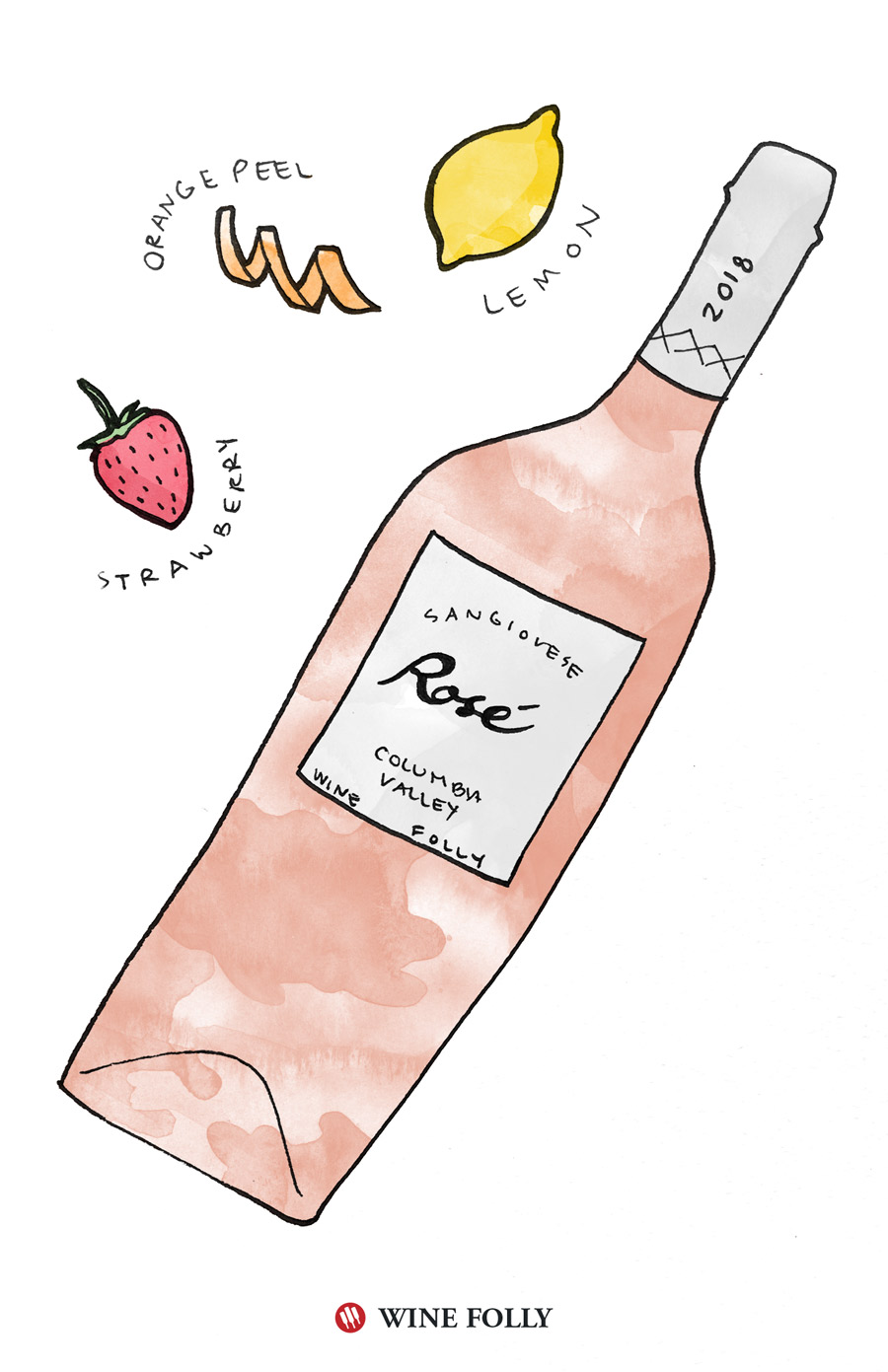
PNW Rosé
A group of zesty, fruit-forward rosé wines from the Pacific Northwest.
Rosé might peak in spring and summer, but let’s be honest — it works year-round.
Besides the obvious ethereal Provençal rosé, Pacific Northwest wines offer ample acidity, making them a perfect match for spring harvest veggies. Washington often uses varieties such as Syrah and Grenache, while Oregon focuses heavily on Pinot Noir rosé, and British Columbia shows potential for Merlot and Cabernet Franc.
- What to Expect: Ranging from sultry and rich to light and bright, rosés tend to the red fruit side of the spectrum. Wines can be light and mineral-driven, or full and lushly fruit-forward.
- Pair it With: Mid-weight rosé is perfect with salmon, or a Niçoise salad. Think strawberry salad or sashimi with lighter rosé styles. For fuller expressions (even those with a hint of sweet), go for BBQ fare.
- Geeky Alt: Rosé is one of the most versatile wines for pairing, but check out orange wine for an earthier, funkier alternative.
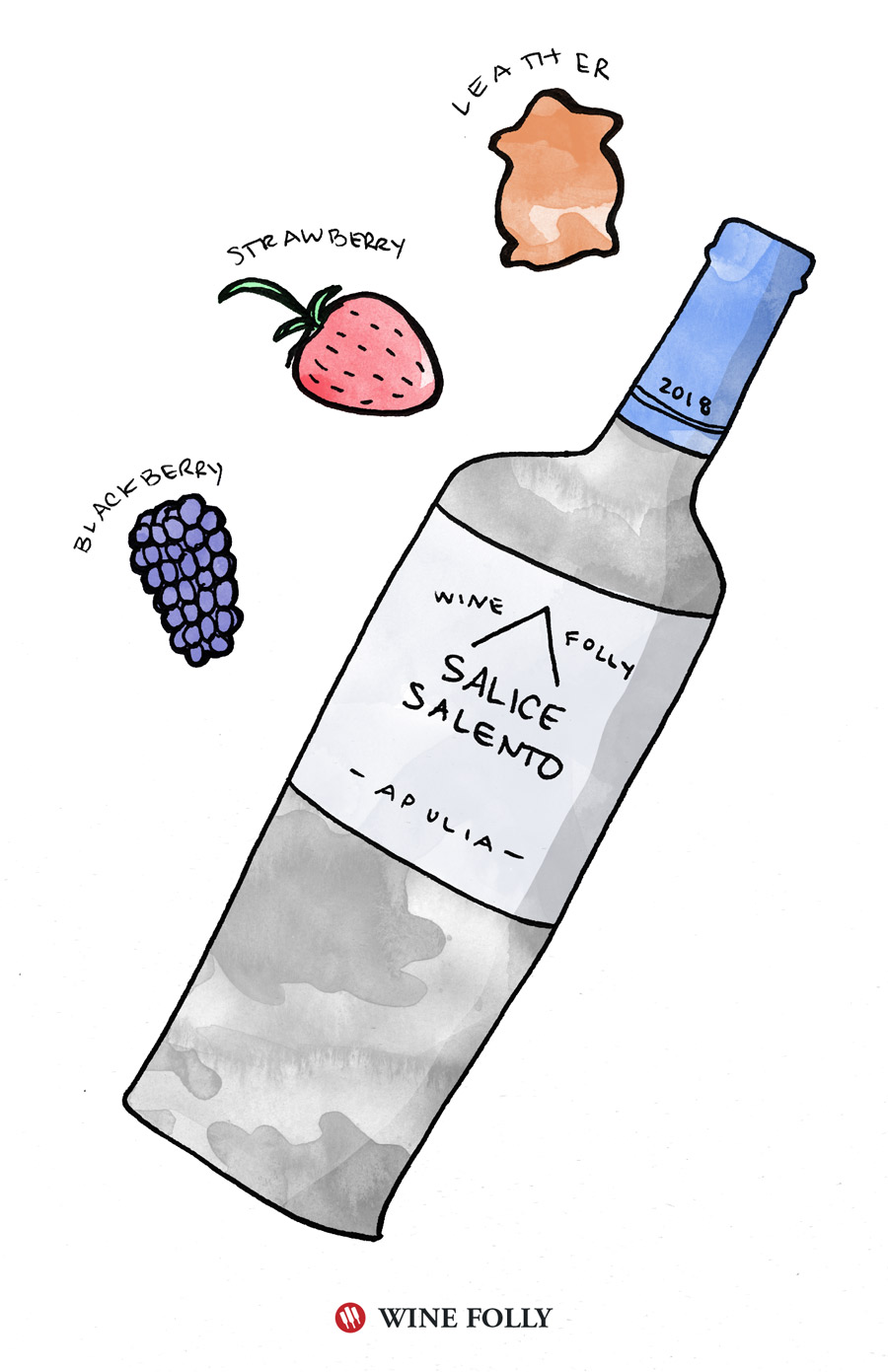
Primitivo
Bold, fruit-rich red from southern Italy.
The genetic twin of Zinfandel, this Puglian grape produces wines both high in alcohol and full in body, but with higher acidity than its North American brethren.
- What to Expect: A deeply colored wine, with flavors of juicy plum, black cherry, blackberry, and spice.
- Pair it With: Primitivo (or Zin) is fantastic when paired with hamburgers, eggplant Parmesan, pizza, or aged cheeses.
- Geeky Alt: Do a side-by-side with a California Zin for perspective.
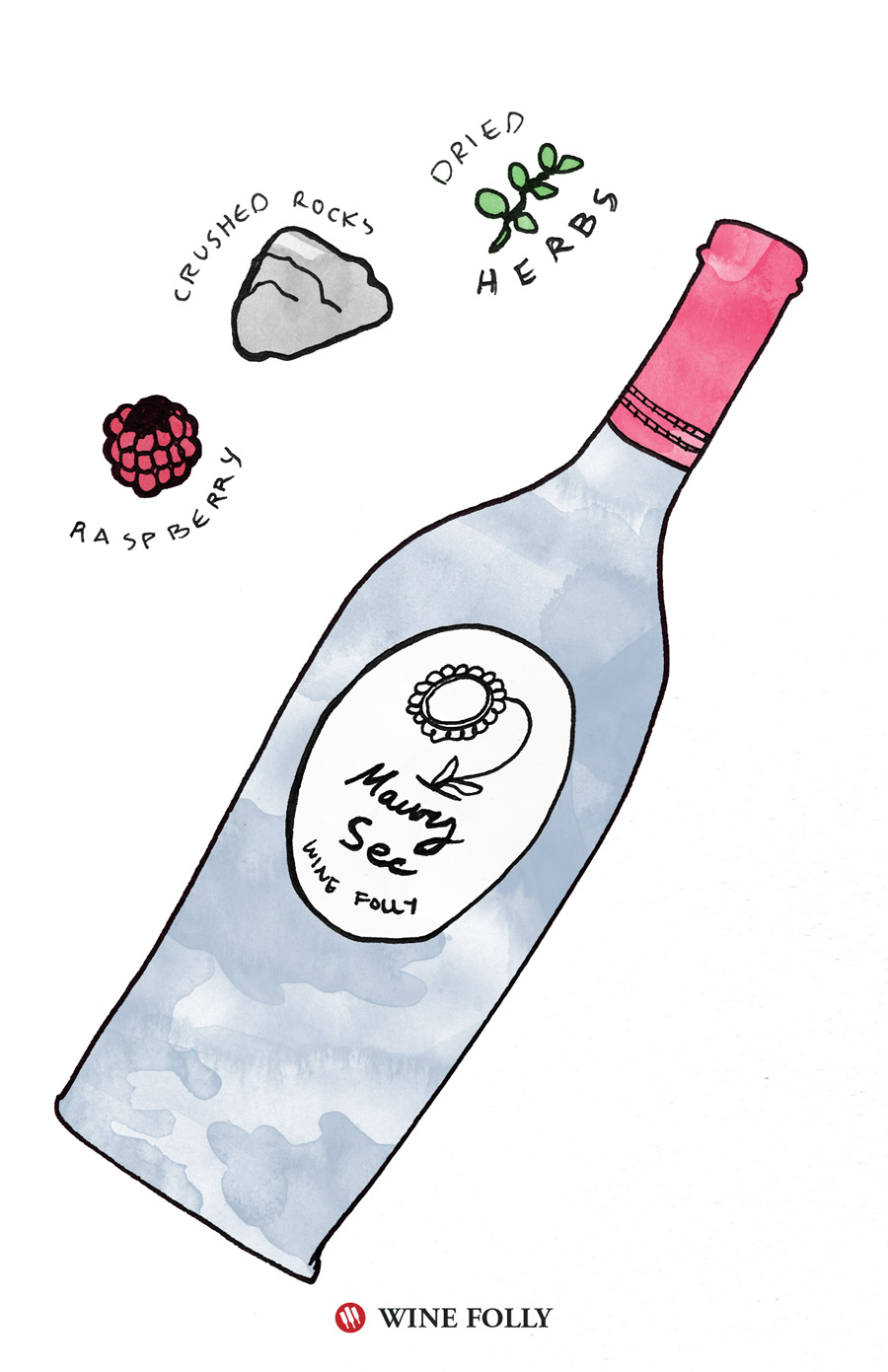
Languedoc-Roussillon Reds
Giving Côtes du Rhône a run for its money.
Historically known for bulk production, there’s been a massive shift toward quality with Languedoc-Roussillon red wines. The regions of Pic St. Loup, Faugères, Collioure, Maury, and Terrasses du Larzac are now becoming known for wines with serious character and virtue. You can also find great values labeled Coteaux du Languedoc. These wines feature Syrah, Grenache, Carignan, and Mourvèdre.
Overall, we’re continually impressed with the quality-to-price ratio of Languedoc and Roussillon!
- What to Expect: Generally medium-plus to full-bodied, showing notes of candied red and black fruits, plum, peppery spice, and leather.
- Pair it With: Try these wines with grilled meats and roasted vegetables for a winning combination.
- Geeky Alt: Pick up a bottle of Spanish Priorat for a dustier take on Grenache.

Grüner Veltliner
Austria’s peppery, herb-driven white.
Austria’s signature white grape, Grüner Veltliner, is a delicious alternative to Sauvignon Blanc that’s loaded with green herbaceous character.
- What to Expect: Brimming with bright citrus, white pepper and a wet-stone sort of minerality, Grüner showcases bracing acidity and textural phenolics.
- Pair it With: This wine plays nicely with a host of fresh spring dishes, from bitter greens to citrus dressings.
- Geeky Alt: Look for the high-acid Greek grape, Assyrtiko, for a slightly more aromatic option.

Nerello Mascalese
The “un-Pinot” all the somms are talking about from Sicily.
Mount Etna rises on Sicily’s eastern coast, where high elevation and volcanic soils create some of Italy’s most distinctive wines. This is where we find the Etna DOC. These wines are made from Nerello Mascalese, and a smaller portion of Nerello Cappuccio.
- What to Expect: Medium to light body, tart red and black fruits, herbal undertones, and a distinct slate-like, volcanic minerality.
- Pair it With: Use the age-old “grows together, goes together” rule here, and try cooking up some Sicilian fare. Think oily fish and tomato sauces, or even rustic vegetable dishes.
- Geeky Alt: Check out Austrian Zweigelt. It’s deliciously different and falls somewhere between a Pinot Noir and a Syrah.
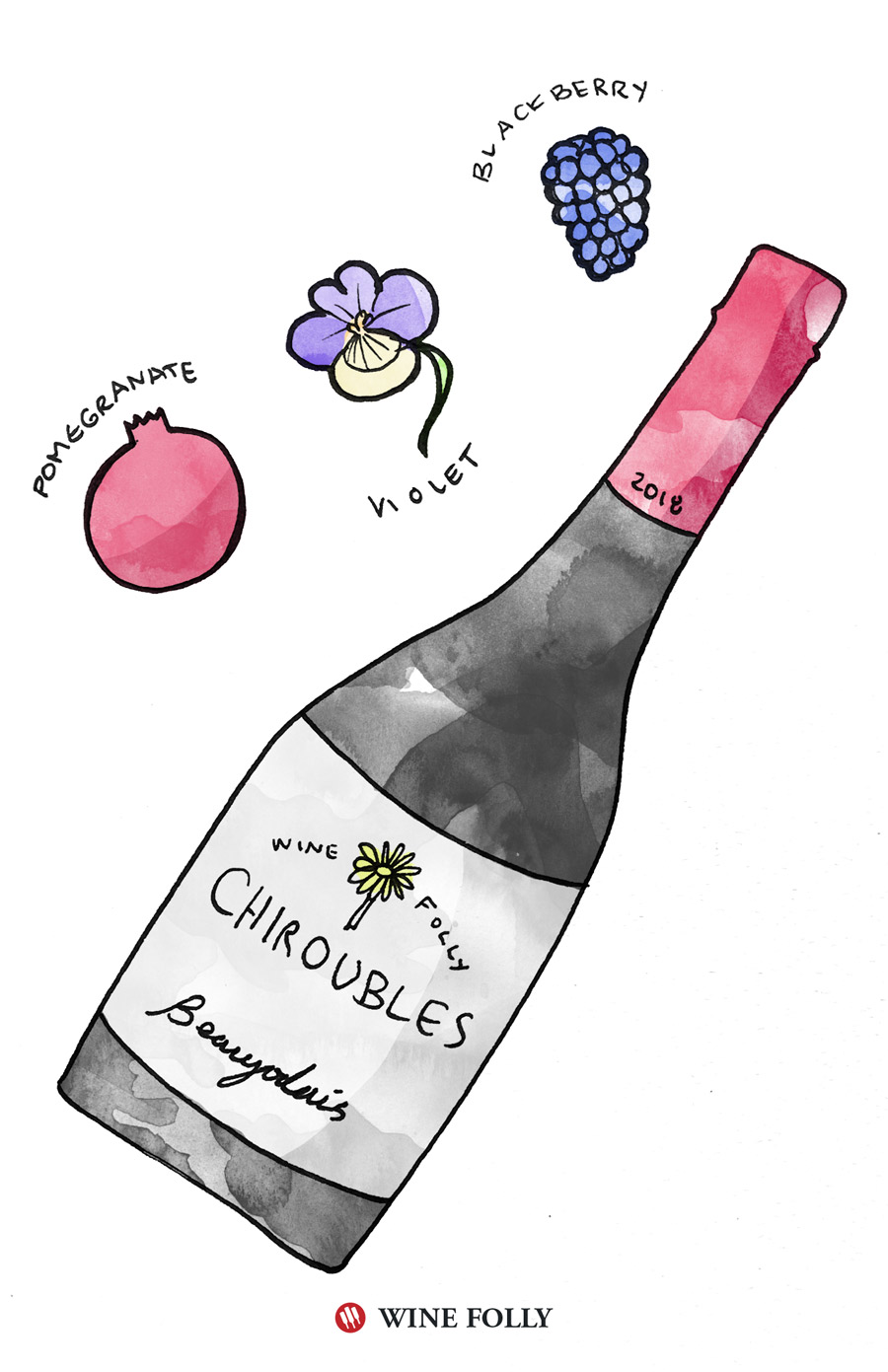
Gamay
A light-bodied red that smells like flowers and berries.
Gamay Noir is at home in Beaujolais. At its most basic level, this wine is light, refreshing, and full of juicy fruit. Step up to any of Beaujolais’ ten crus, and you’ll find more depth, structure, and age-worthiness.
- What to Expect: These tend to showcase refreshing red fruit, sometimes with a hint of pepper and an underlying earthy note.
- Pair it With: Gamay is stellar with anything picnic related (think cured meats, pâté, cheeses, spreads) as well as grilled glazed salmon or roasted vegetables.
- Geeky Alt: Check out the rare and juicy Pelaverga from Piedmont for another interesting light-bodied choice.
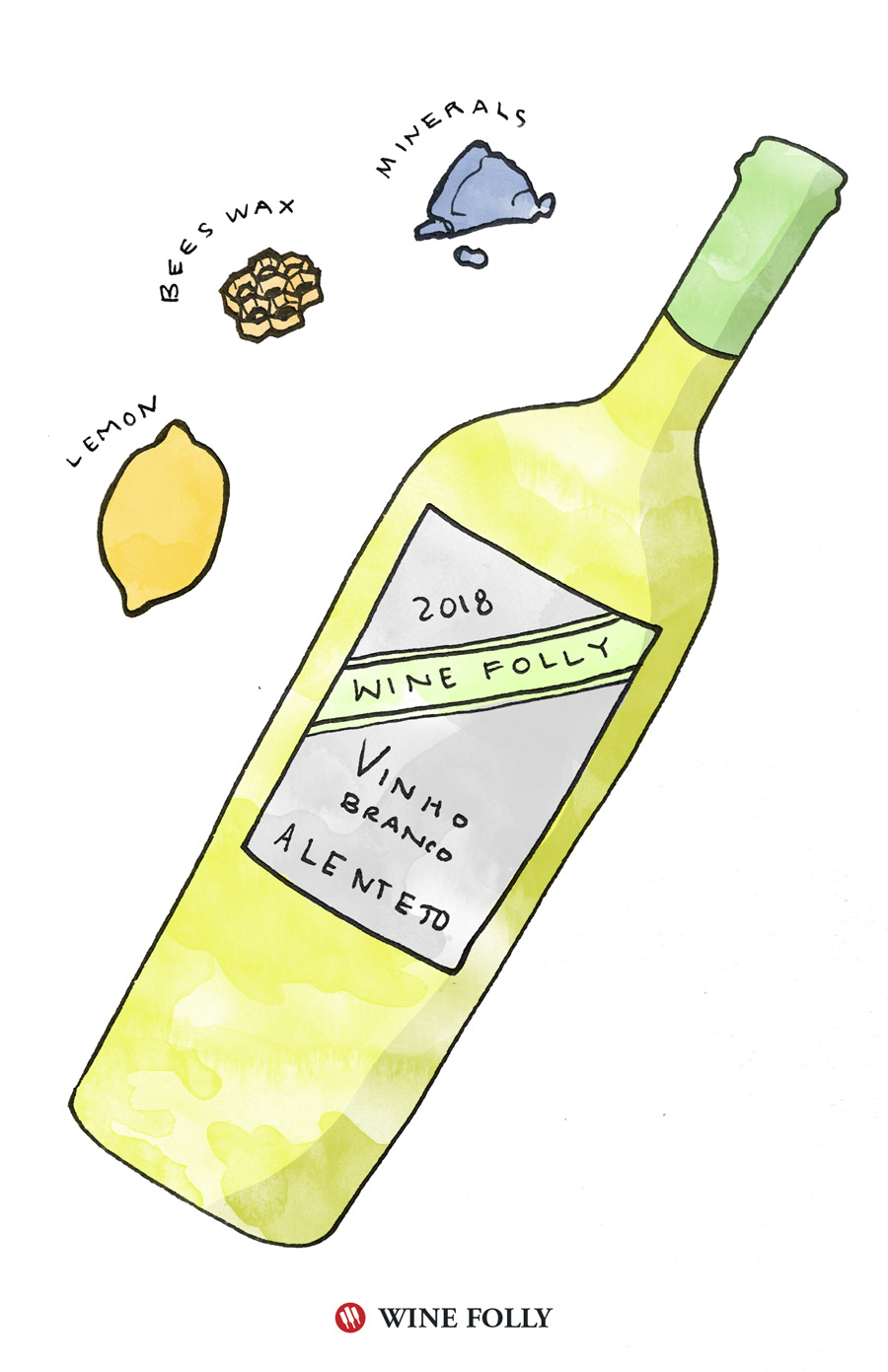
Portuguese White Blends
A citrusy white wine blend from Portugal.
Look for Portuguese blends featuring indigenous grapes like Arinto, Loureiro, Encruzado, or Antão Vaz.
- What to Expect: Generally dry, ranging from light and spritzy Vinho Verde to rounder, fuller single varietal expressions. Wine from Portugal is epic value.
- Pair it With: See what you can find in your local bottle shop and tell us what you’d pair with it – other than a sunny day, of course! But, no one’s judging if that’s the move.
- Geeky Alt: Look for a Spanish Verdejo for another unique style.

Pinot Noir
The classic springy, elegant red.
No spring lineup is complete without Pinot Noir. If you haven’t had one from Oregon or New Zealand, now is the time.
- What to Expect: Pinot’s flavors range from bright red fruits to darker black cherries, always displaying a hallmark savory note. Try New Zealand or Oregon for outstanding non-Burgundian options.
- Pair it With: With bright acidity and fine-grained tannins, try Pinot with grilled fish, lighter meats, duck, pork, as well as pâtés or terrines.
- Geeky Alt: Check out Trousseau from the Jura region, located just east of Burgundy for another light, French option.
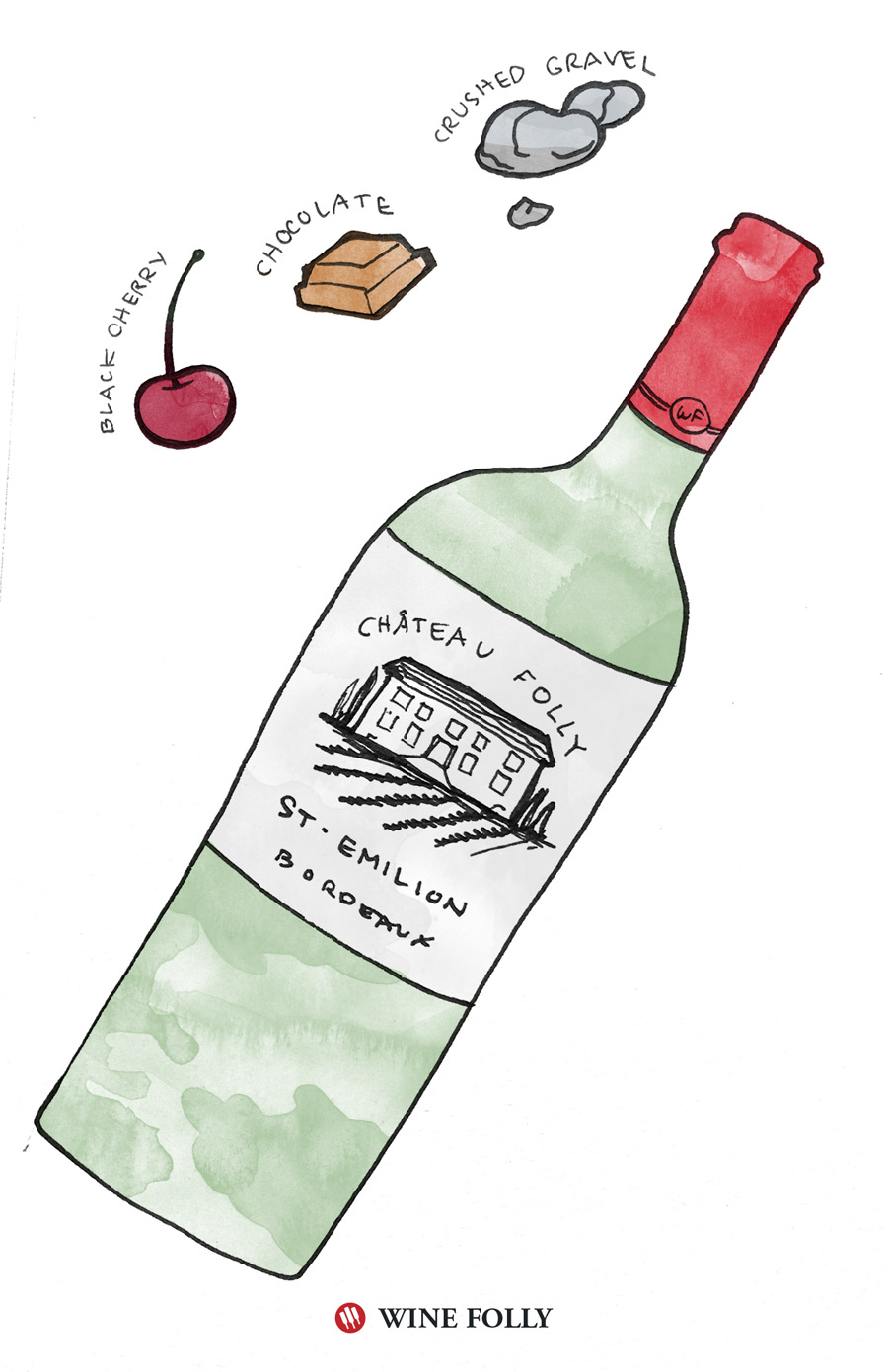
Right Bank Bordeaux
When you’re in need of a big bear hug.
The Right Bank of Bordeaux includes the over-arching Libournais area, which includes the famous appellations of Saint-Émilion and Pomerol. What’s surprising is that there are many producers here offering outstanding wines around $30 a bottle. (Surprisingly, this is not the case in Napa Valley!)
- What to Expect: Merlot-dominant blends from the right bank are a plusher style of Bordeaux. Expect flavors of plum, black cherry, licorice, tobacco, cedar, and smoke.
- Pair it With: With softer tannins than its Left Bank counterpart, Merlot-dominant blends play well with grilled meats, as well as smoked or grilled fish, especially those with Mediterranean flavors such as olives or herbes de Provence.
- Geeky Alt: Look for wines from new world countries labeled as “Meritage” for a riper, richer style made in the Bordeaux model.

Gewürztraminer
A rosy, aromatic white that’s best consumed fresh.
This distinctly aromatic variety originated in either northern Italy or Germany – the debate is ongoing. It is also found in Alsace, France, as well as British Columbia, the United States, and Australia.
- What to Expect: At its best, Gewürztraminer bursts with lychee, rose petal, and spice. Notorious for their high alcohol and low acidity, these wines can become flabby in warmer climates. Look to cooler regions (Northern Italy, Coastal CA, etc.) for more restrained styles.
- Pair it With: Wines with residual sugar and aromatics beg for spicy or spiced foods: Thai, Vietnamese, and Sichuan, especially. Or, opt for rich dishes like French onion soup, foie gras, and strong cheeses like Muenster to cut the sweetness.
- Geeky Alt: The intensely perfumed Torrontés from Argentina is a great alternative, lending slightly higher acidity and less weight.
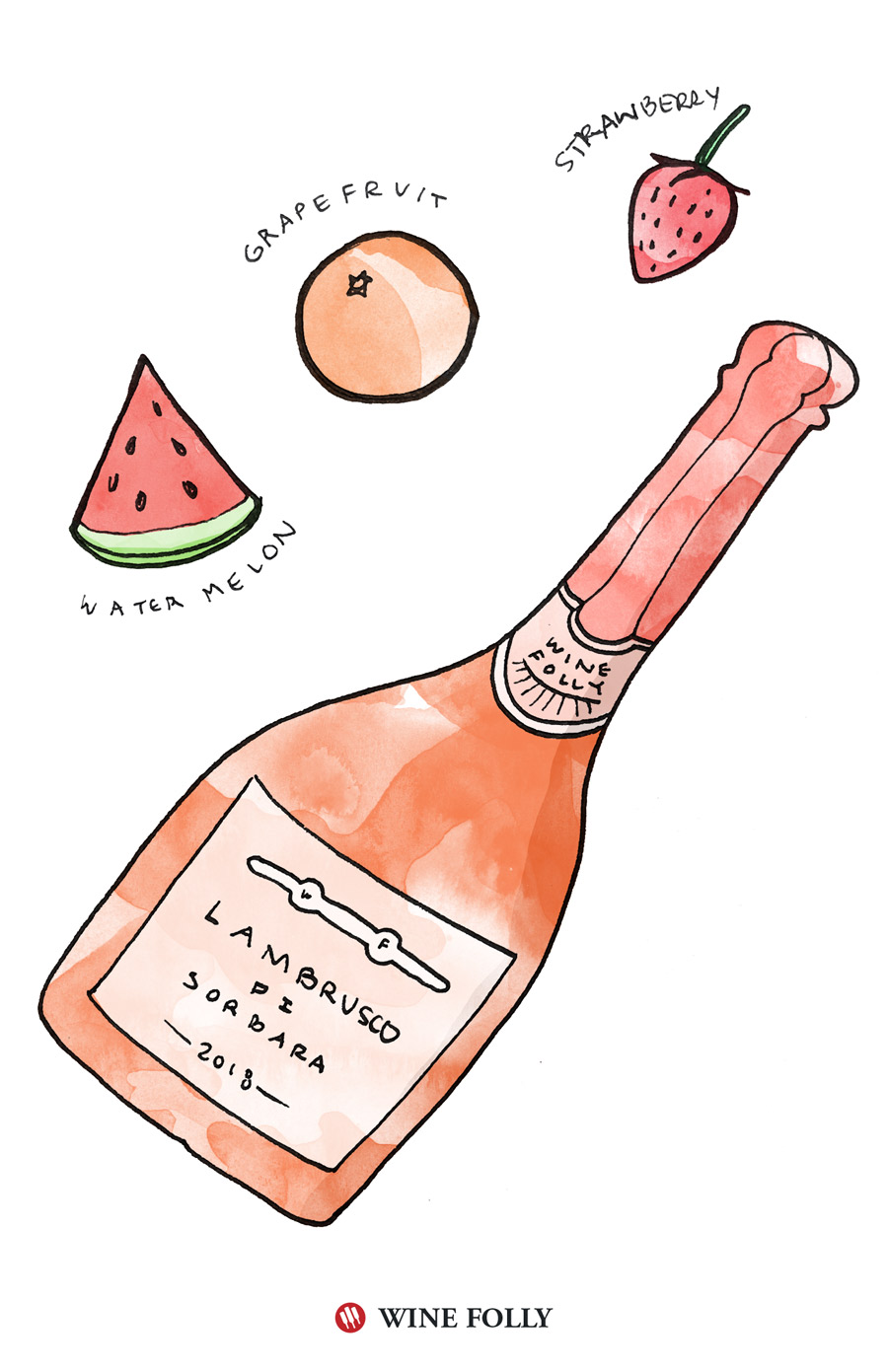
Lambrusco (di Sorbara)
The lightest red of the Lambrusco family.
Yes — sparkling red wine! At home in Emilia-Romagna, Sorbara is one of the most well-known Lambrusco styles. Grasparossa and Salamino (the grape bunches are shaped like salami) are the two other most commonly seen grape varieties.
- What to Expect: These wines are seriously refreshing and lightly sparkling (frizzante). They show zippy red fruit and high acidity. The key is freshness: drink young.
- Pair it With: Bright acidity and light tannins cut through richness and complement fatty meats. Or, try with charcuterie when having a picnic in the park. After all, the best pairing rule is simple: drink what makes you happy.
- Geeky Alt: If you’re as enthused with sparkling red wines as we are, try Australian sparkling Shiraz, or the sweeter Brachetto d’Acqui.
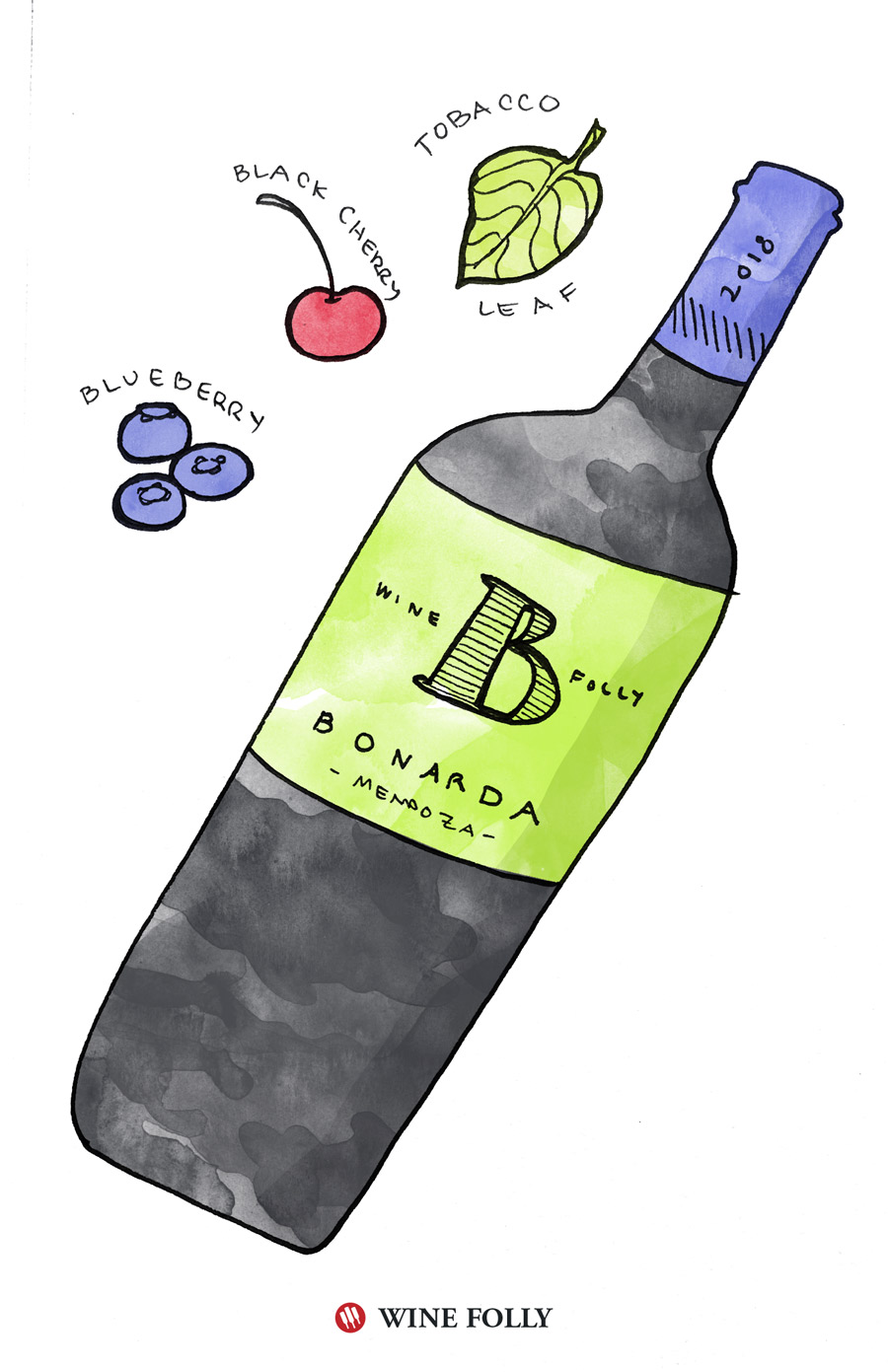
Bonarda
The Argentinian grape that no one’s ever heard of.
If you call it Bonarda outside of Argentina, someone will correct you and call it after its French name: Douce Noir. It also goes by Charbono in California. Just smile and say “yes, I know,” and slowly back away.
This bright, succulent little grape is actually one of the most planted grapes in Argentina. Wines can taste similar to Malbec (in fact, many lower-end Malbec bottlings blend with Bonarda), but it’s slightly lighter and more snappy. Some Bonarda wines have an herbal finish, while others are smooth and fruity.
- What to Expect: Expect bright plum and cherry, underlying spice, and hints of violet. These wines have relatively low tannin and bright acidity.
- Pair it With: Try it with papaya chicken, roast pork with pineapple, grilled fish, or beef. All things BBQ play really well here.
- Geeky Alt: Try a Bonarda side by side with a California Charbono and check out the stylistic and climactic differences.